ADHD
- mrsaepts
- Feb 17, 2024
- 6 min read
BY Supinattha Yenbamrung, Thipwarinthorn Weethanasittdej, Tatiwat Marohabutra
EDITED BY Jittanan Tirawatthanaprapha
What is ADHD?
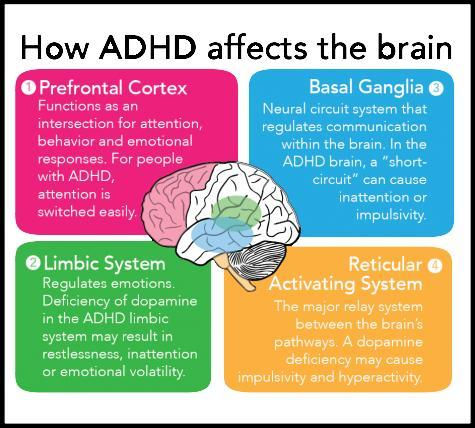
Attention deficit hyperactivity disorder or ADHD is a brain functioning condition that links to abnormal cognitive, behavioral, and motivational functioning. People with ADHD have differences in brain development and brain activity that affect attention, day-to-day tasks, self-control, and emotional control. It is associated with structural abnormalities in the brain such as gray matter, basal ganglia, and cerebellum. A region of the brain called the prefrontal cortex, shown to be smaller in children with ADHD, is especially important in regulating these skills.
Symptoms
People who have ADHD have parts of the brain that are smaller and take longer to mature in kids. These include structures that play key roles in emotional control and a skill called working memory. Working memory is one of the brain’s executive functions that allows us to work with information without losing track of what we’re doing. ADHD also affects the role of decision making and learning new tasks.
In kids, the symptoms of hyperactivity are typically most severe at the age of 7 to 8. However, each child may experience symptoms differently. The 3 categories of symptoms of ADHD include following:
Inattention
Short attention span for age
Difficulty listening to others
Difficulty attending to details
Easily distracted
Forgetfulness
Poor organizational skills for age
Poor study skills for age
Impulsivity
Often interrupts others
Difficulty waiting for turn in school and social activities
Tends to blurt out answers instead of waiting to be called upon
Takes frequent risks, and often without thinking before acting
Hyperactivity
Constant motion; runs or climbs, at times with no apparent goal except motion
Difficulty remaining in seat
Fidgets with hands or squirms when in seat
Talks excessively
Difficulty engaging in quiet activities
Some of the symptoms of ADHD may change as kids get older. These are a list of symptoms associated with ADHD in adults:
Carelessness and lack of attention to detail
Continually starting new tasks before finishing old ones
Poor organizational skills
Inability to focus or prioritize tasks
Continually losing or misplacing things
Forgetfulness
Restlessness and edginess
Difficulty keeping quiet and speaking out of turn
Blurting out responses and often interrupting others
Mood swings, irritability, and a quick temper
Inability to deal with stress
Extreme impatience
Taking risks in activities, often with little or no regard for personal safety or the safety of others
Causes and Risk factors
Scientists link genes and heredity factors with ADHD and are studying other possible non-inherited causes including brain anatomy and function, significant head injuries, and prenatal exposures.
The causes and risk factors of ADHD include:
Blood relatives
A person whose parents, relatives or siblings have ADHD would have a more potential genetic influence within the family tree.
Toxins and other chemicals
Exposure to environmental toxins, like lead found in older building materials, is considered a risk factor for ADHD development. Prolonged contact with lead, commonly present in paint and pipes, has been associated with cognitive and behavioral issues, potentially contributing to ADHD symptoms in susceptible individuals.
Maternal drug use
Maternal drug use, alcohol consumption, or smoking during pregnancy increases the risk of ADHD in children by damaging the fetal brain development and exposing them to harmful substances. These maternal behaviors are essential for preventing ADHD risk in offspring.
Premature birth
Premature birth is a risk factor for the development of ADHD. Infants born before completing the full term may experience neurological vulnerabilities, potentially affecting brain development and increasing the likelihood of ADHD symptoms later in life. The challenges associated with premature birth, such as low birth weight and complications, underscore the importance of monitoring and providing appropriate care to minimize the impact on neurodevelopment and reduce the risk of ADHD in these individuals.
Lack of nutrition
Lack of nutrition is a risk factor for ADHD, as it is crucial for optimal brain development. A deficiency in essential nutrients during critical stages of growth can potentially contribute to cognitive and behavioral issues associated with Attention-Deficit/Hyperactivity Disorder. Ensuring a well-balanced diet, rich in nutrients like omega-3 fatty acids, vitamins, and minerals, is essential in promoting healthy brain function and reducing the risk of ADHD related challenges.
Genes and heredity
ADHD is a disease caused by genetics, if a parent has ADHD, there child would have a 25% chance of having ADHD
Prenatal exposures
Multiple substance exposures during gestation have been associated with the cause of ADHD. Tobacco exposure during pregnancy has been found to have persistent associations with the risk of childhood ADHD.
Significant head injury
Head injury or brain injury can make ADHD symptoms occur more easily. Thus, children especially less than 2 years old with head or brain injury have double the risk for development of ADHD as compared to the general population because the brain undergoes rapid development during the first few years of life, and any injury during this period could interrupt the formation of neural connections.
Treatment
ADHD treatment in adults is usually a combination between medication, education, skill training, and psychological counseling, which is a most effective treatment that helps manage many symptoms. However, recently these treatments don’t cure ADHD symptoms.
For children 6 years of age and older, the recommendation of treatments include medication and behaviors therapy. Therapies that are required for ADHD children such as their parents need to be trained in behavior management for their children, behavioral therapy with children, training for adolescents, and school can also be the part of treatment for helping and changing a child's behavior.
On the other hand, for children younger than 6 years of age, behavior therapy is the most important step before medication. This is because young children are more likely to have side effects from ADHD medications than others and also have long-term effects of being not well-studied. Parents training in behavior works as well as medication for ADHD in young children, it gives parents the skills and strategies to help their child.
There are mainly five types of medicine licensed for the treatment of ADHD which are methylphenidate, lisdexamfetamine, dexamfetamine, atomoxetine, and guanfacine. These medicines are not a permanent cure but will help some symptoms of ADHD. For example, a person who takes medicines will be more concentrated, less impulsive, feel calmer, and learn new skills. It is important to consult with a doctor before taking medicine, and to plan for personalized therapy. It is also important to know about the side effects of these medicines and the length of treatment.
Methylphenidate
This medicine is the most commonly used for ADHD. It is one of the stimulants which will increase activity in the brain, especially in parts that control attention and behavior. Some of the common side effects are loss of appetite, a small increase in blood pressure and heart rate, and trouble sleeping.
Lisdexamfetamine
This medicine stimulates certain parts of the brain which improves concentration and reduces impulsive behavior. Some of the common side effects are decreased appetite, aggression, diarrhea, dizziness, and headaches.
Dexamfetamine
This is similar to Lisdexamfetamine and works in the same way. However, the amount of medicines taken once a day is different. Some of the common side effects are decreased appetite, mood swings, agitation, dizziness, and headaches.
Atomoxetine
This medicine works differently from other medications. It increases noradrenaline, which is one of the chemicals in the brain. This chemical passes messages between the brain cells and increases concentration and controls impulses. Some of the common side effects are a small increase in blood pressure and heart rate, nausea, stomach aches, trouble sleeping, and headaches. Atomoxetine has also been linked to some serious side effects such as suicidal thoughts and liver damage.
Guanfacine
This medicine acts on part of the brain to improve attention and decrease blood pressure. Some of the common side effects are tiredness, headache, abdominal pain, and dry mouth.
Therapies are also effective for treating ADHD. Some of the therapies are Psychoeducation, Behavior therapy, Parent training and education programmes, Social skill training, and Cognitive behavioral therapy (CBT).
Psychoeducation
This therapy will encourage the people with ADHD to discuss ADHD and its effects to help that person cope and live with the condition.
Behavior therapy
This therapy involves parents and teachers to provide support for carers of children with ADHD. It involves behavior management to encourage children to control their ADHD.
Parent training and education programmes
The programmes will help parents who have children with ADHD learn specific ways of talking, playing ,and working with their children. This will lead to improved attention and behavior.
Social skills training
This training will teach children with ADHD to behave in social situations by learning how their behavior affects others.
Cognitive behavioral therapy (CBT)
CBT is a talking therapy in which a therapist will try to change the way someone with ADHD behaves or thinks about a situation, which would in turn potentially change their behavior.. This can be carried out as an individual or group therapy.
Work Cited
Comments