Homeostatic imbalances leading to the development of cancer
- mrsaepts
- Feb 26, 2025
- 3 min read
Written by: Jaylin Jeeraboon, Kanyanan Jirathanaprasert, Premada Wuttichaipradit
Edited by: Natthara Boosamund, Hargun Champi
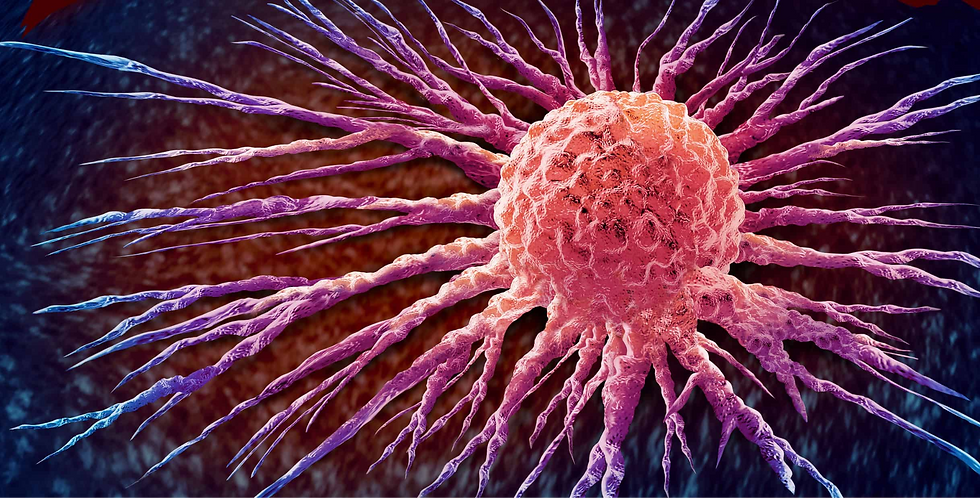
Homeostasis is the regulation to maintain stable internal and external changes in the body to keep them in normal levels. It regulates processes, such as temperature, blood pressure, metabolism, water content etc. Homeostatic imbalance occurs when the body fails to function properly or the body experiences a deficiency ultimately, leading to diseases, including Cancer. Cancer arises when cells grow uncontrollably, often due to genetic mutations or environmental factors that disrupt cellular regulation.
Cancer is a large group of diseases that can start in almost any organ or tissue of the body when abnormal cells grow uncontrollably, go beyond their usual boundaries to invade adjoining parts of the body and/or spread to other organs.
Causes of Homeostatic imbalance leading to Cancer
Genetic mutation, changes of genes can cause them to turn into oncogenes further promoting uncontrolled cell growth leading to tumor formation. Oncogenes and tumor suppressor genes often work together to cause cancer.
Hormonal imbalance,
Estrogen and progesterone, has been extensively implicated in the development and progression of breast cancer. Estrogen plays a role in growth and development of breast tissue. Progesterone plays a role in regulating the menstrual cycle and breast development.
Insulin, independent of weight, insulin increases cell production and reduces cell death. That means there is more opportunity for something to go wrong and cancer to develop. Long-term increased insulin raises your risk for breast, prostate and colorectal cancers.
Oxidative stress is the imbalance of free radicals and antioxidants in your body that leads to cell damage. Oxidative stress damages the DNA in healthy cells, which can raise your cancer risk.
Chronic Inflammation, persistent inflammation damages tissues. Over time it can damage DNA and affect the way cells grow and divide. This could lead to the growth of tumors and cancer.
Symptoms
Physical Symptoms: Fatigue, unexplained weight loss, persistent pain, and swelling.
Hypercalcemia: Seen in certain cancers like multiple myeloma, causing excessive thirst, confusion, and kidney issues.
Hormonal Dysregulation: Symptoms like hot flashes or mood swings from cancers affecting hormone-producing glands.
Disturbances in sleep-wake patterns
Changes in appetite and feeding behavior
Risk factors
Diet: High processed foods intake can lead to obesity and metabolic imbalances.
Alcohol and smoking: Increases free radicals, promoting oxidative stress and genetic damage.
UV radiation: leads to DNA damage, increasing skin cancer risk.
Aging: As the immune system’s response slows down, so does its ability to find and correct defects in cells.
Genetic Predisposition: Mutations in genes like BRCA1 and BRCA2 impair DNA repair mechanisms, increasing the risk of breast and ovarian cancers.
Treatments
Immunotherapy is a cancer treatment that uses your body’s immune system to find and destroy cancer cells. There are different types of immunotherapy,
Including :
monoclonal antibodies
checkpoint inhibitors
immune system modulators
cancer vaccines
CAR-T therapy
virus therapy.
Each type of immunotherapy uses the immune system in a different way. Some are given in combination with other cancer drugs, such as chemotherapy. This is called chemoimmunotherapy.
Hormone therapy is considered a systemic treatment because the hormones circulate in the body.
Hormone therapy travels throughout the body to find and target hormones. Different types of hormone therapy work in different ways. Hormone therapy can be used to treat a certain kind of cancer by stopping or slowing its growth. Lessen symptoms related to a certain type of cancer and Block the hormone from attaching to cancer cells
Conclusion
Homeostasis plays a significant role in cancer progression. Disruptions in body systems and inflammation are key contributors. Addressing these imbalances through lifestyle modifications, targeted therapies, and innovative research can significantly improve prevention and treatment outcomes. A deeper understanding of homeostasis offers hope for combating cancer effectively.
Works Cited
“Oncogenes.” Cleveland Clinic. 5 May 2023,
Accessed 26 Dec. 2024
“Cancer.” World Health Organization,
Accessed 26 Dec. 2024
“Cancer as a homeostatic challenge: the role of the hypothalamus.” ScienceDirect. Nov. 2021,
“Unveiling the Role of Hormonal Imbalance in Breast Cancer Development: A Comprehensive Review.” National Library of Medicine. Jul 2023,
Accessed 28 Dec. 2024
“BRCA Gene Changes: Cancer Risk and Genetic Testing”. 19 Jul 2024, htps://www.cancer.gov/about-cancer/causes-prevention/genetics/brca-fact-sheet#:~:text=affect%20cancer%20treatment?-,What%20are%20BRCA1%20and%20BRCA2?,ability%20and%20can%20become%20cancer.t
Cancer Information team. “What is immunotherapy.” Macmillan cancer support.
1 May 2024,
Accessed 29 Dec.2024
Comments