Iron-deficiency anemia
- mrsaepts
- Feb 26, 2025
- 3 min read
Written by: Chayanit Techaphasoranun, Samita Kunnavatana
Edited by: Tanyarat Saelor, Aiyada Iuemwananonthachai
Introduction
Iron-deficiency anemia is a general problem in Thailand. This occurs due to a lack of iron in the body, which is necessary for our body. Hemoglobin transports oxygen to different parts of the body, so when hemoglobin cannot carry oxygen, it leads to fatigue and other symptoms.
Thailand is a developing country, where a large portion of the population is facing financial hardship. This leads to limited access to nutritious foods, Especially in women, young children, and the elderly.
As a result of this lack many individuals are at a higher risk of developing iron-deficiency anemia. This can cause significant health issues such as chronic fatigue, reduced immune function.
Cause & Symptoms
Cause
Iron-deficiency anemia can be caused by many etiologies. It mostly happens when your body does not have enough iron to make hemoglobin, which is the protein substance in your red blood cell that is used to carry oxygen in your body. The most common cause is blood loss. It could be due to menstrual abnormalities such as hypermenorrhea or bleeding in internal organs, including bleeding in your gastrointestinal tract, or else bleeding in your urinary tract, along with blood loss by injury or surgery. Otherwise, It could happen because of a lack of iron from your diet or a lack of ability to absorb iron as well.
Symptoms
The symptoms of iron-deficiency anemia depend on the severity of the disease. The symptoms can mostly be shown in both physical and emotional ways, for instance:
Fatigue and lack of energy
Paler skin than usual or abnormal paleness
Headache or dizziness.
Chest pain or shortness of breath
Brittle nails
Cold hands and feet
Sore or swollen tongue
Irritability
Wishes for non-nutritive substances
Which of the following is also similar to other types of anemia, but can still be defined by running a blood test to check your complete blood count (CBC).
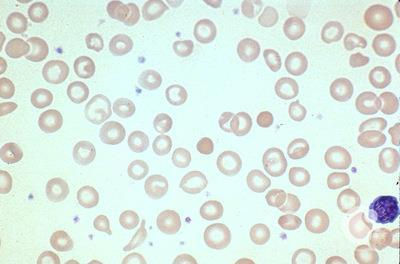
A peripheral blood smear in patient with moderate Iron-deficiency anemia

Risk Factors
Risk factors for iron deficiency anemia can be distinguished by age, gender, nutritional status, etc.
For toddlers, which are the highest populations that are at risk of iron deficiency anemia. The risk factors include:
Mother medical history
Premature birth
Low birth weight
Breastfeeding and did not get enough iron
Inadequate complementary food
Women are also likely to have iron-deficiency anemia since they have risk factors. For example, menstrual blood losses or poor dietary intake of iron due to changes in the eating habits and pregnancy too. For pregnancy, the risk factors for iron-deficiency anemia are such as
Have two closely spaced pregnancies
Pregnant with more than one baby
Vomiting frequently due to morning sickness
Do not consume enough iron-rich foods
Have a heavy pre-pregnancy menstrual flow
Have a history of anemia before your pregnancy
Furthermore, eating non-heme iron found in vegan foods is also one of the risk factors of iron deficiency anemia, along with donating blood since blood donation can cause depleted iron stores.
Treatment
Iron-deficiency anemia can be treated by many treatments, for example, iron supplements, an iron-rich diet, medicines, etc. The most common way to treat iron-deficiency anemia is with iron supplements, also called iron pills or oral iron, which will help increase the amount of iron in your body. But for serious conditions, blood transfusions would be the most suitable treatment since they are the fastest way to increase the number of red blood cells and iron in your blood. Surgery is also needed to stop internal bleeding.
Conclusion
Iron-deficiency anemia is a condition identified by a lack of sufficient iron in the body. When iron levels are low, hemoglobin cannot transport effectively, causing a physical condition such as fatigue, weakness, and pale skin. This condition can result from various factors, including poor dietary intake, blood loss, and absorption issues. It is especially common in populations with limited access to iron-rich foods, such as women, young children, and the elderly, as well as people who are experiencing low income.
Comments