Graves’ Disease
- mrsaepts
- Dec 7, 2023
- 3 min read
BY Chalita Cheewarattanaporn, Rachaya Thaiyapirom, Sirada Hakkayananda
EDITED BY Chate Therdkiet
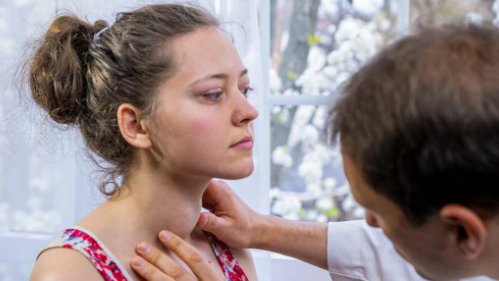
Graves’ disease is an immune system disorder that results from the overproduction of thyroid hormones (hyperthyroidism). The disease got its name from an Irish doctor named Robert Graves, who first described the disease back in the 1800s.
Causes:
Graves' disease is caused by a malfunction in the body's immune system. The immune system normally produces antibodies designed to target a specific virus, bacterium or other foreign substance. In Graves' disease, the immune system produces an antibody to one part of the cells in the hormone-producing gland in the neck, the thyroid gland.
Normally, the function of thyroid glands is regulated by a hormone released by a tiny gland at the base of the brain, pituitary gland. The antibody associated with Graves' disease — thyrotropin receptor antibody (TRAb) — acts like the regulatory pituitary hormone. That means that TRAb overrides the normal regulation of the thyroid, causing an overproduction of thyroid hormones – hyperthyroidism.
Symptoms:
The common symptoms of Graves’ disease may include:
Tremor of the hands or fingers,
Rapid heartbeats
Weight loss with normal eating habits
Enlargement of the thyroid gland
Diarrhea or frequent bowel movements
Hair loss or texture changes in hair
Fatigue / Weaknesses.
Graves’ ophthalmopathy
Around 30% of people with Graves’ disease show symptoms of Graves’ ophthalmopathy (orbitopathy or thyroid eye disease). The inflammation and other immunity events can affect the tissues around the eyes by displaying the following symptoms: irritated eyes, puffy or swollen eyes, bulging eyes, sensitive to light, pressure or pain in your eyes, and blurred or double vision.
Graves’ dermopathy
This is also another uncommon symptom from Graves' disease, called Graves' dermopathy, is the reddening and thickening of the skin. The condition is most found on the shin or feet.
Risk factors:
People who have increased risk include:
Age: Graves’ Disease shows up in people under the age of 40 though above the age of 20.
Gender: Women are more likely to develop the disease than men.
Smoking: Smoking could affect the immune system. In smokers who already have the disease, they are at risk of developing Graves’ ophthalmology.
Pregnancy: In the postpartum period after pregnancy, women are found to have a higher risk of developing the disease.
Emotional and physical stress: The disease may be triggered by the stress of the patient in those who have genes associated with Graves’ disease.
Autoimmune diseases: Diseases such as Rheumatoid arthritis, Type 1 diabetes, Autoimmune gastritis or Vitiligo could pose increased risk of developing Graves’ disease.
Family history: Familial history with Graves’ disease, hashimoto’s disease or another autoimmune disorder could also be a factor.
Other syndromes: Children with Down syndrome or DiGeorge syndrome may develop Graves’ disease due to the condition.
People who are exposed to high levels of iodine.
People who receive highly active antiretroviral therapy (HAART).
Treatment:
Treatment methods for Graves’ disease are meant to stop more production of the thyroid hormones and to block the effects that they have on the body. These methods include:
Radioactive iodine therapy: This method involves the patient taking a dose of radioactive iodine, either in a pill or liquid form. In the following few months, the iodine will slowly destroy the thyroid gland cells, shrinking the gland and helping adjust your hormone levels back to normal. However, this method is not recommended for those who are pregnant.
Beta-Blockers: Beta-blockers are medicines that are unable to stop thyroid hormone production, but are able to regulate and protect your heart. These include medicines such as propranolol and metoprolol.
Antithyroid medications: Antithyroids are medicines that block the thyroid’s production of hormones, including methimazole and propylthiouracil. However, these medications may cause skin rashes and an increase in infection, as well as a very low chance of getting liver disease.
Surgery: A patient may undergo thyroidectomy, which is the process of surgically removing a part of or the entire thyroid gland. After the surgery, the patient will need to take thyroid replacement medications in the case that you develop hypothyroidism, which is when people have too little thyroid hormones.
References:
Graves’ Disease. (n.d.) American Thyroid Association. https://www.thyroid.org/graves-disease/.
Graves' Disease > Fact Sheets. (n.d.) Yale Medicine. https://www.yalemedicine.org/conditions/graves-disease.
Graves' disease - Symptoms and causes. (2022, June 14). Mayo Clinic. https://www.mayoclinic.org/diseases-conditions/graves-disease/symptoms-causes/syc-20356240.
Graves' Disease: What It Is, Causes, Symptoms & Treatment. (2022, July 6). Cleveland Clinic. https://my.clevelandclinic.org/health/diseases/15244-graves-disease.
Pozniak, S. (2021, November 11). What Do I Need to Know About Graves’ Disease? GoodRx Health. https://www.goodrx.com/conditions/graves-disease/what-is-graves-disease.
Comments