Leukemia
- mrsaepts
- Feb 8, 2024
- 4 min read
BY Ananya Maneenut, Aryn Kraiwattanapong, Siripong Sriwittaporn
EDITED BY Pakpol Kunopasvorakul

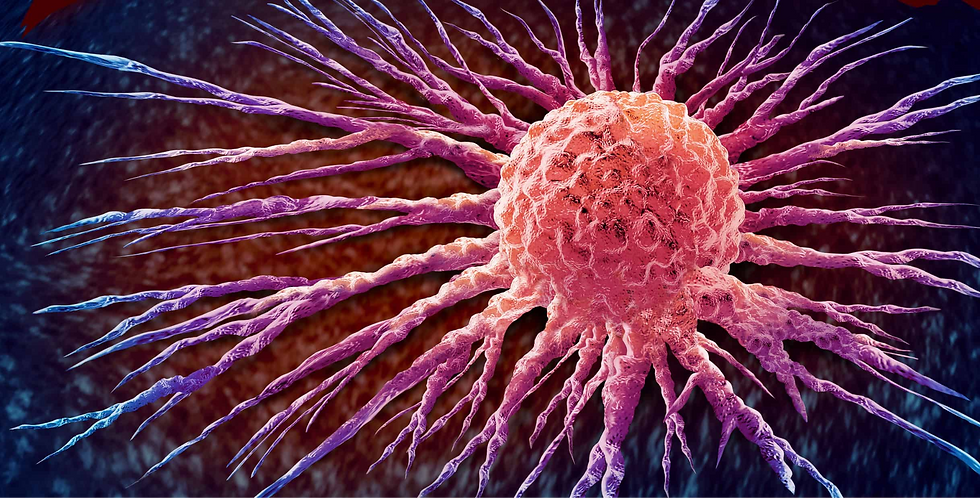
Image from MSN. (n.d.). https://www.msn.com/en-us/health/condition/leukemia/hp-Leukemia
Leukemia is a type of cancer that affects the blood and bone marrow. It causes the bone marrow to produce an excessive amount of abnormal white blood cells, which are the cells that help our bodies fight infections. These abnormal cells crowd out the normal blood cells, leading to problems like anemia, infection, and bleeding.
When bone marrow doesn't function properly, there is an abnormally rapid and excessive production of white blood cells. This leads to an increase in the number of white blood cells both in the bone marrow and in the blood. Typically, these immature white blood cells (blast cells) may enter various organs, such as the liver, spleen, and lymph nodes, causing these organs to enlarge and malfunction.
The structure of the bone consists of
The outer bone (compact bone) is white and contains calcium and phosphorus, making it strong.
The inner bone (spongy bone) has pores similar to a sponge, and inside is bone marrow, responsible for producing blood cells, including red blood cells, white blood cells, and platelets.
Cause of leukemia
The exact cause of leukemia is currently unknown. However, factors influencing its development include:
Exposure to high doses of radiation, such as nuclear radiation.
Receive of specific chemotherapy drugs, which increases the risk of leukemia.
Exposure to environmental chemicals like benzene and certain types of insecticides.
Genetic diseases, such as Down syndrome.
Age over 60.
Patients with bone marrow diseases, like Myelodysplastic Syndrome (MDS).
Risk Factors
Many people who get leukemia have none of the risk factors, so the risk factors do not always cause leukemia. But increasing the chance of having a disease.
These are some known risk factors for leukemia:
Age: The chances of getting leukemia are increasing by age in most types of diseases.
Chronic lymphocytic leukemia (CLL) chronic myeloid leukemia (CML) or acute myeloid leukemia (AML): common in 65-year-olds and older.
Acute lymphocytic leukemia (ALL): most of the ALL patients are under 20 years old.
Smoking: People who smoke can increase the risk of developing AML.
Gender: Men’s chance to get leukemia is slightly higher than women’s.
Radiation exposure: People can get high doses of radiation in many ways, such as an atomic bomb blast. Some radiation therapy for treating other types of cancer can increase the risk of developing AML, ALL, and CML.
Family history: Most leukemias do not always occur through hereditary. But if one of the identical twins has AML, the other twin may have an increased risk of developing the disease.
Other risk factors such as blood disorders, congenital syndromes, and electromagnetic fields can be considered a risk of leukemia
Symptoms of leukemia result from abnormal bone marrow function, which leads to the production of a large number of immature white blood cells. This, in turn, decreases the production of red blood cells and platelets, causing leukemia patients to experience:
Paleness and easy fatigue due to a decreased red blood cell count.
Easy bleeding and the development of bruises under the skin, as the amount of platelets in the blood decreases.
Increased susceptibility to infections because the white blood cells produced are unable to function properly, hindering their ability to fight off germs.
Pain in bones and organs, enlargement of the liver, spleen, and lymph nodes, caused by the accumulation of white blood cells in these organs.
Skin rash, fever, fatigue, and weight loss.
Diagnosis of Leukemia
Complete Blood Count (CBC) is a blood test that checks the levels and types of red blood cells, white blood cells, and platelets.
Image from What is leukemia: Types of leukemia: Leukemia causes. What is Leukemia | Types of Leukemia | Leukemia Causes. (n.d.).https://www.bdbiosciences.com/en-eu/learn/clinical/blood-cancers/leukemia
Bone marrow biopsy or bone marrow aspiration involves taking a small sample for examination to detect abnormalities or diseases in the bone marrow.
Image from Professional, C. C. medical. (n.d.-a). Bone marrow biopsy: What it is, procedure & results. Cleveland Clinic. https://my.clevelandclinic.org/health/diagnostics/17735-bone-marrow-biopsy
Treatment of Leukemia
The choice of treatment depends on factors such as leukemia type, stage, and the patient's overall health.
Chemotherapy:
Uses drugs to target and eliminate cancer cells.
Administered orally or through injection.
Radiation Therapy (Radiotherapy):
Involves high doses of radiation to target and kill cancer cells.
Precisely directed to affected areas.
Bone Marrow Transplantation:
Replaces damaged or diseased bone marrow.
Healthy marrow from a donor is transplanted to help restore normal blood cell production.
References
Leukemia: Meaning, causes, early symptoms & signs: Impactguru. Impact Guru. (n.d.). https://www.impactguru.com/blog/what-is-leukemia
Professional, C. C. medical. (n.d.-a). Bone marrow biopsy: What it is, procedure & results. Cleveland Clinic. https://my.clevelandclinic.org/health/diagnostics/17735-bone-marrow-biopsy
The outline of bone marrow transplantation in allogeneic conditions ... (n.d.-b). https://www.researchgate.net/figure/The-outline-of-bone-marrow-transplantation-in-allogeneic-conditions_fig1_304113327
Professional, C. C. medical. (n.d.-b). Leukemia: Symptoms, signs, causes, types & treatment. Cleveland Clinic. https://my.clevelandclinic.org/health/diseases/4365-leukemia
What is leukemia: Types of leukemia: Leukemia causes. What is Leukemia | Types of Leukemia | Leukemia Causes. (n.d.). https://www.bdbiosciences.com/en-eu/learn/clinical/blood-cancers/leukemia
[figure, anatomy of the bone. the...] - PDQ cancer information ... (n.d.). https://www.ncbi.nlm.nih.gov/books/NBK66050/figure/CDR0000258005__182/
Leukemia: Risk factors - Health encyclopedia - University of Rochester Medical Center. (n.d.). Welcome to URMC - Rochester, NY - University of Rochester Medical Center. https://www.urmc.rochester.edu/encyclopedia/content.aspx?contenttypeid=34&contentid=17601-1
What causes leukemia, risk factors and prevention. (n.d.). City of Hope. https://www.cancercenter.com/cancer-types/leukemia/risk-factors
Comments