Phenylketonuria
- mrsaepts
- Aug 14, 2024
- 3 min read
By Thipwarinthorn Weethanasittdej, Chutiya Chitboonthaweesuk, Supinutha Yenbumrung
Edited by Torpud Choemcharoen, Tanyarat Saelor
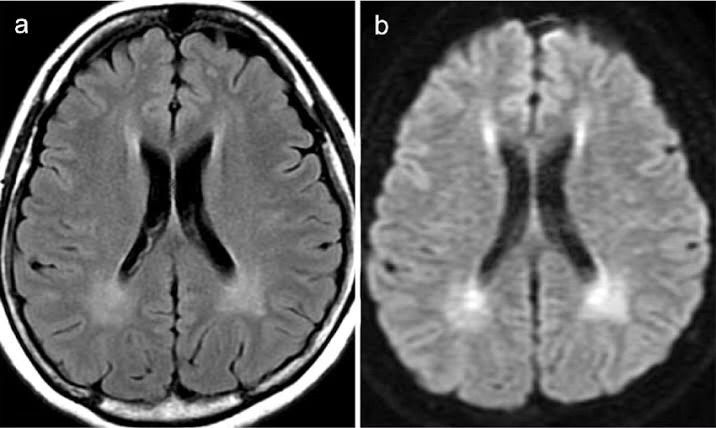
What is Phenylketonuria?
Phenylketonuria (commonly known as PKU) is an inherited disorder, in which the body cannot metabolize an amino acid called phenylalanine. A person with PKU may experience a dangerous accumulation of phenylalanine in blood when they consume proteins or artificial sweeteners like aspartame because of the lack of enzyme needed to break down the substance. The occurrence of PKU varies across geographic locations and ethnic groups. In the United States, PKU affects 1 in 25,000 newborns. It is often detected during newborn screening, in which treatment is initiated without delay. Hence, severe symptoms cases are rarely seen.
There are two main types of Phenylketonuria, classic PKU and variant PKU, depending on the enzyme function remaining. Classic PKU is the most severe form of Phenylketonuria, occurring in people who have very low levels of phenylalanine activity. Untreated classic PKU can lead to severe brain damage and other serious health problems. Variant PKU, on the other hand, allows the enzyme to retain some activity, resulting in less risk of brain damage.
Cause & Symptoms
Phenylketonuria is caused by mutations in the PAH genes, which can result in the lack of an enzyme responsible for dealing with the excess amount of phenylalanine. Newborns with PKU often don't have any symptoms. However, they can develop the symptoms within a few months, if there is no treatment taken.
Signs and symptoms of untreated Phenylketonuria can vary from mild to severe and may include:
A musty odor in breath, skin or urine
Neurological problems
Skin disorders such as eczema
Lighter skin, hair and eye color than family members
Microcephaly, an unusually small head size
Hyperactivity
Intellectual disability
Delayed development
Behavioral, emotional and social problems
Mental health disorders
Risk factors
Since phenylketonuria is transmitted in an autosomal recessive pattern each child inherits two faulty copies of phenylalanine hydroxylase or PAH gene, one from father and one from mother, therefore genetics is the most major risk factor for PKU. If the parents both are carriers, every pregnancy carries a 25 percent chance of developing PKU to their offspring.
In addition, PKU has increased among specific ethnic groups. Individuals who originate from the same area or region may have similar ancestors, therefore they share the same genetic variations. These can include genes with mutations that can result in PKU. PKU is more common in people of European or Native American descent than in those of African and Asian descent.
Treatment
Phenylketonuria or PKU doesn’t have any cure, but there's some common treatments which could prevent intellectual disabilities and other health problems. Some of the common treatments for PKU are carefully limiting foods with phenylalanine for their entire life, taking a specific nutritional supplement with enough essential nutrients for growth and health development, and medications for some individuals's PKU.
Phenylketonuria patients usually have a very limited and specific type of foods and products, they need to avoid all of the high-proteins products and food; such as milk, eggs, cheese, nuts, fish, beef, and soy products. People who have PKU also need to avoid certain foods, beverages, medications, and vitamins that include Aspartame, an artificial sweetener. However, there is a specific individualized diet for people with PKU, so they need to work with a healthcare professional to develop and progress their own diet. PKU’s patients also have a specific formula drink since following the PKU diet won’t get enough nutrients for themselves.
The Food and Drug Administration or FDA has approved combining some drugs with PKU diet for the treatment of PKU. Sapropterin dihydrochloride or Kuvan is a drug that is used with PKU treatment, it helps some people reduce phenylalanine in their blood. People with PKU who are taking Kuvan may not need to follow the PKU diet. However, people whose medication doesn’t work on them need to continue the PKU diet.
Conclusion
Phenylketonuria is an inborn disease caused by the mutation in PAH genes, which cause the phenylalanine enzyme to function improperly. Classic PKU and Variant PKU are the major types of Phenylketonuria. Some signs and symptoms for Phenylketonuria are musty smells in breath and skin, behavioral difficulties and neurological problems, which can unfortunately lead to severe brain damage. Some of the treatments for Phenylketonuria include limiting certain foods, following a PKU-specific diet, and taking medication such as Sapropterin dihydrochloride.
References
Phenylketonuria: MedlinePlus Genetics, https://medlineplus.gov/genetics/condition/phenylketonuria/
“Phenylketonuria.” Wikipedia, 31 July 2024,
“What are common treatments for phenylketonuria (PKU)?” https://www.nichd.nih.gov/, 16 Jan. 2024, https://www.nichd.nih.gov/health/topics/pku/conditioninfo/treatments
Website, Nhs. “Phenylketonuria.” nhs.uk, 6 Apr. 2023,
A 32-Year-Old, Female Patient with Phenylketonuria (PKU). A Flair Image... | Download Scientific Diagram, Accessed 14 Aug. 2024.
Comments